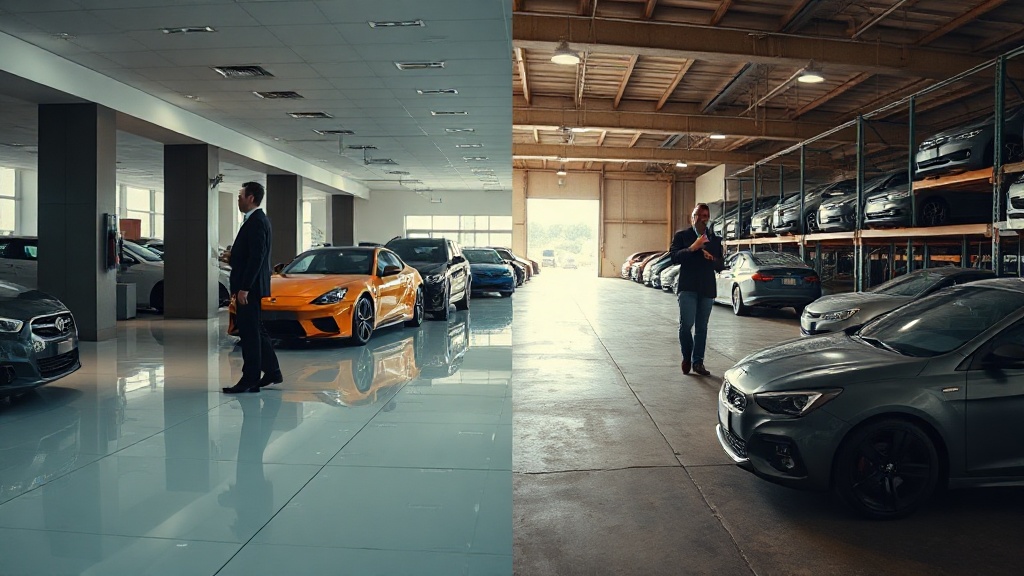
Car flipping is one of the most accessible side hustles in the automotive space — and when done right, it's genuinely profitable. Here's what you need to know to get started without losing money.
Why Car Flipping Works
Every year, millions of used cars change hands. Most sellers just want to get rid of a vehicle quickly, and most buyers don't have the time or knowledge to spot a great deal. That gap is your opportunity.
The principle is simple: buy below market value, make smart cosmetic and mechanical improvements, then sell to a buyer who values a turnkey car more than the hassle of hunting for one themselves.
The Golden Rules
- Never pay retail price. You need at least 15-20% below market to make a profit after repairs and fees.
- Know the market. Check NADA, KBB, and local Craigslist/comparator ads before making any offer.
- Budget for repairs. Always overestimate — a $500 repair estimate usually becomes $750 in reality.
- Move fast but don't rush. A bad deal at a "good price" is still a bad deal.
Where to Find Deals
Your best sourcing channels:
- Wholesale auctions (ADESA, Manheim, OVE) — need dealer license or co-op membership
- Private sellers via Facebook Marketplace, Craigslist, OfferUp
- Estate sales and divorces — motivated sellers are the best sellers
- Trade-ins from dealers — they need to move inventory fast
The Numbers That Matter
Before you buy, do the math: Purchase Price + Repairs + Fees + Your Time Value = Must Sell Price. If that number is at or above market value, pass. You're not running a charity.
Aim for $1,500-$3,000 gross profit per flip to make it worth the time investment. Anything less and your hourly rate starts looking like volunteer work.
FlipLane's Role
Members get access to our co-op dealer license, wholesale auction credentials, ByrddawgsOS deal management tool, and a community of flippers who share real market data. It's how 200+ members are actively flipping cars right now.