What Is Wholesale Auction Pricing?
Wholesale auction pricing is the price cars sell for when dealers buy from each other — at platforms like Manheim (8M vehicles/year, $75B in annual transactions) and ADESA. These are the largest wholesale used vehicle marketplaces in the world.
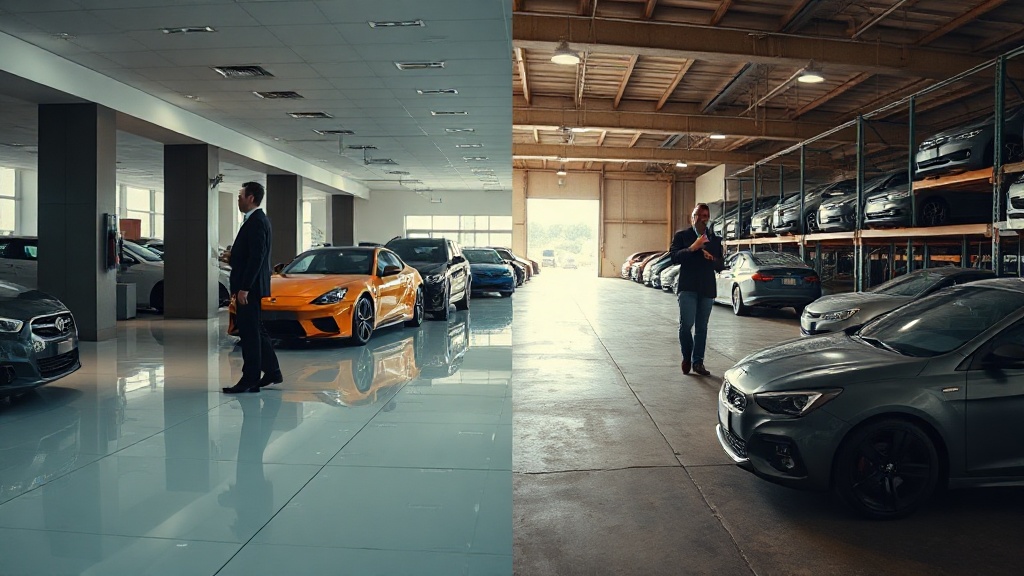
At auction, a 2022 Toyota Camry with 35,000 miles might sell for $17,200. That same car, repriced and displayed on a franchise lot with $1,200 in recon work, will carry a $21,500–$23,000 sticker. The difference is not the car — it is the channel.
Manheim's March 2026 Used Vehicle Value Index hit 215.3, up 6.2% year over year. The market is active. Prices are transparent to anyone who can bid. The problem is: you cannot bid.
Who Can Buy at Wholesale Auctions
Direct buyer access to Manheim, ADESA, and most major wholesale auctions requires:
- A valid dealer license — Issued by your state DMV, requires a business entity, bonding, and in most states a physical lot or office
- AuctionAccess registration — A universal dealer credentialing platform used by Manheim, ADESA, and 320+ other auction locations
- State-specific dealer licensing — Costs vary by state; California wholesale-only license starts around $1,500–$3,000 in combined fees, bonds, and pre-licensing education
The auction world is closed to consumers. That is by design.
How to Access Wholesale Pricing Without a Dealer License
The key insight: dealer-only auctions are a licensing problem, not an access problem. Our co-op model explainer covers how that works in detail.
Option 1: Join a wholesale co-op — FlipLane members access dealer-only auction inventory without holding their own license. The co-op holds the dealer credentials. You pay wholesale price plus membership. This is the path with the lowest barrier and highest value.
Option 2: Use a broker — Licensed brokers will bid on your behalf at auction for a fee — typically $300–$500 per transaction. Effective markup varies. The broker's fee stacks on top of the wholesale price but still undercuts retail.
Option 3: Get a dealer license — In some states you can obtain a wholesale-only dealer license with minimal physical requirements. Costs include state fees ($200–$800), a surety bond ($5,000–$15,000 depending on state), and pre-licensing education ($150–$400). Total investment: $1,000–$5,000 depending on your state. For most buyers, this does not pencil out for one or two purchases.
What to Expect When Buying at Auction as a Consumer
When buying through a co-op like FlipLane:
- Browse inventory online — Manheim, ADESA, and ACV list vehicles with condition reports, photos, and pricing data
- Bid in real time — Live simulcast bidding from your laptop or phone
- Transportation arranged — FlipLane coordinates pickup and delivery from the auction yard (typically 3–7 day pickup window)
- Title transfer handled — Auction purchases require immediate payment and title documentation
Auction buying is different from lot buying. There are no test drives on the lot floor. Vehicles sell as-is with documented condition. But the price difference is measured in thousands, not hundreds.